The 2023 SELECT study of semaglutide found that higher doses of the diabetes medication helped patients with overweight and obesity not only reduce their cardiovascular risk but also their weight. The groundbreaking study found the glucagon-like peptide-1 (GLP-1) receptor agonist significantly decreased patients’ adverse cardiovascular events and all-cause mortality.
Duke cardiologist Christopher B. Granger, MD, served on the SELECT study’s data safety monitoring board. “It was quite remarkable. We saw a clear difference even very early on,” Granger says. “The curve showing cardiovascular benefit in the experimental arm separated almost immediately, before there was any weight loss. The benefits did not seem to be related to the baseline degree of overweight or obesity.”
Granger states that GLP-1 receptor agonists “mimic the effect of hormone release by the gut, telling the brain that you’re full, so you eat less without trying.”
The way that semaglutide reduces cardiovascular risk may not be related to the degree of weight loss it induces. Manesh R. Patel, MD, chief of the Cardiology and Clinical Pharmacology divisions at Duke Heart, says the medication can lead to a virtuous cycle: “When you have a therapy that reduces weight in a meaningful way, people can become more active.”
Researching the relationship between obesity and cardiovascular risk
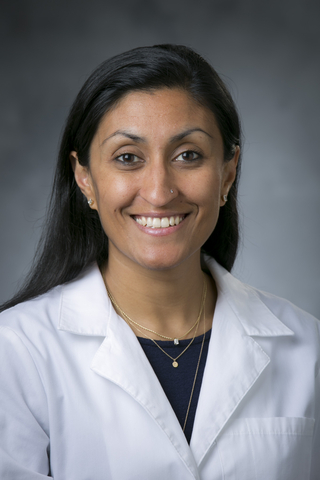
“The obesity epidemic is growing and needs to be addressed urgently,” says Neha J. Pagidipati, MD, MPH, Duke cardiologist and director of the Duke Cardiometabolic Prevention Clinic. “Obesity is a cardiovascular risk factor, and we’re working to understand that relationship at Duke, both on the research side and the clinical side.”
Duke’s research includes the RESILIENCE study, now in the data analysis phase. This study was designed to understand the heterogenous relationship between cardiovascular risk and obesity, enrolling almost 600 patients with and without obesity at varying cardiovascular risk to examine who is more versus less susceptible to cardiovascular disease. “Some people are resilient to cardiovascular disease even in the context of obesity, while others may have high cardiovascular risk without obesity,” says Pagidipati. “The goal is to better predict what therapies will be most effective to tailor future treatments.”

Clinical services dedicated to treating cardiometabolic diseases
At the Cardiometabolic Prevention Clinic, Pagidipati and her colleagues see patients with cardiovascular risk and other comorbidities, including obesity. “We use a customized approach for each patient, but for everyone, we emphasize lifestyle,” she says. “The foundation for managing cardiovascular risk in the context of obesity is a healthy diet and daily aerobic exercise.
“Patients with elevated cardiovascular risk now have additional options to help build that foundation. Semaglutide is another exciting tool we can utilize to help patients live healthier and longer lives.”
Pagidipati, Granger, and Patel all agree that semaglutide could be a “game changer.”
Unfortunately, the degree of semaglutide’s impact in cardiovascular risk and weight management may be largely determined by payors. Under the North Carolina state health plan, for example, new users of semaglutide for weight loss must pay out of pocket at a cost of more than $1,000 per month.
“The patients most in need of life-saving therapies are often those who don’t have access to them,” Pagidipati says. She and a team at the Duke Clinical Research Institute are collaborating with the Duke-Margolis Institute for Health Policy to address obesity and cardiovascular risk through health systems. “Health systems are acutely aware of the need to address obesity in their populations; through this project we hope to shed light on how they can best do that,” Pagidipati says.
“Obesity is a complex socio-medical issue with personal, genetic, and environmental components,” says Patel. “We’re working to make our communities healthier by translating leading-edge cardiometabolic disease research into evidence-based clinical services.”