Key Takeaways
- Single ventricle surgery addresses many congenital heart disorders but increases venous pressures, causing downstream problems for other organ systems.
- Subsequent biventricular conversion surgery recruits underdeveloped ventricles to restore normal physiological circulation, avoiding these downstream complications.
- Duke offers excellent outcomes for pediatric heart surgeries, including biventricular conversion, with experienced multidisciplinary teams.
Congenital heart problems like hypoplastic left heart syndrome (HLHS), ventricular disorders, and inflow or outflow tract problems such as unbalanced or obstructed canals are typically addressed through surgically reconstructing the heart to a single ventricle, providing passive pulmonic blood flow. The Norwood, Glenn, and/or Fontan procedures create nonpulsatile venous circulation, but increased pressures in the venous system come with downstream complications for other organs such as cirrhosis, plastic bronchitis, protein-losing enteropathy, and more.
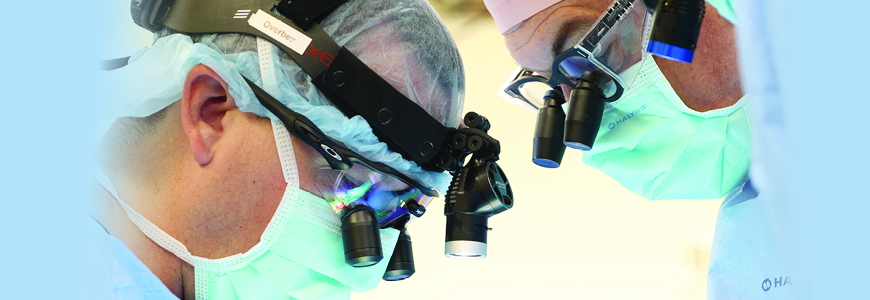
Biventricular circulation can sometimes be restored through ventricular recruitment via staged surgery. “The goal for biventricular conversion is to septate the heart to achieve normal, pulsatile flow to the body and lungs,” says Duke Health pediatric heart surgeon Douglas Overbey, MD, MPH. “This usually requires growing parts of the left or right side of the heart (ventricular recruitment), so they can handle the circulatory requirements prior to complete biventricular conversion. Single ventricle palliation dramatically affects lifespan, but if you can restore biventricular circulation, you can avoid many of the negative downstream consequences.”
Although many heart disorders can be detected prenatally, a significant number are not found until after birth. “If we see patients in the prenatal or neonatal period, we can help to develop a plan,” Overbey says. “But even if a patient has had a previous single ventricle surgery (Glenn, Fontan, pulmonary artery [PA] band, shunt), if a referring provider or patient wants to explore a biventricular option, they should see us for an evaluation.”
Ventricular recruitment process
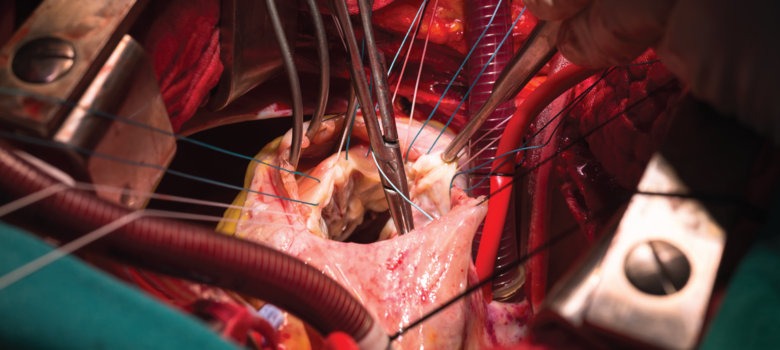
Six to 12 months after a procedure to create single ventricle circulation, patients can begin the ventricular recruitment process. Through a series of surgeries, the heart is septated and the ventricle reconstructed. Stents, ballooning, preloading, inflow augmentation, loading, and other tools may be used to grow the underdeveloped ventricle.
Over time, the load on the ventricle is increased. “If pressure, size, and characteristics on echocardiogram all look good, we can complete the conversion and restore normal circulation,” Overbey says. “We use specific and defined checkpoints based on comprehensive imaging evaluation to proceed safely with conversion. This includes echocardiography, MRI, CTA [CT angiography] with 3-D modeling, and cardiac catheterization to ensure readiness prior to conversion.”
This process is usually completed by age two but can be performed on older children as well. “We evaluate every patient at each step of the process for biventricular conversion with a thorough, multidisciplinary workup,” Overbey explains. “Depending on anatomy, we can always consider conversion, regardless of age. This can include complex approaches such as Fontan takedown and double switch procedures.”
Duke Health offers related resources for incoming patients in this area, including:
Biventricular conversion at Duke
Overbey highlights the features that set Duke apart in pediatric heart surgery. “Our surgical outcomes are among the best in the country,” he says. “We have very experienced surgical, catheter, and medical teams, and we meet weekly to discuss patients. We have a set, predefined pathway for each patient that leads to successful conversion in the overwhelming majority of cases.”
Surgical outcomes are best at centers with experienced providers and high volumes, and Duke is among the highest-volume programs in the nation. “We offer the full range of operative interventions using a pragmatic approach to get to biventricular conversion,” Overbey concludes.