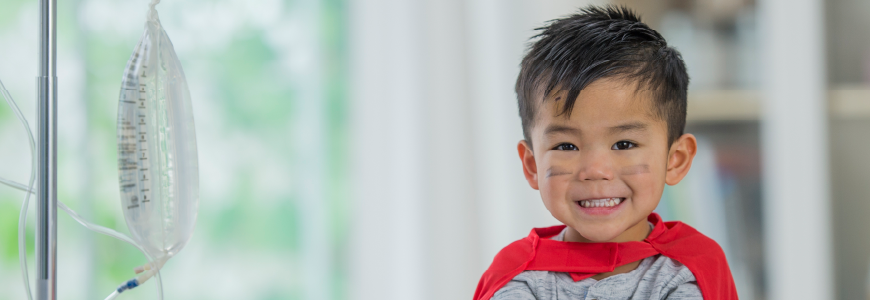
For the last 20 years, the Pediatric Stem Cell Transplant and Cellular Therapy Program at Duke Health has been a national leader in stem cell transplantation and advanced cell therapies, such as CAR-T and gene therapy as treatments, for a growing range of serious pediatric conditions such as high-risk cancers, blood diseases, metabolic disease, and hemoglobinopathies.
The stem cell transplant experts at Duke Health are also leading the way in understanding and caring for the late effects that occur in children, adolescents, and young adults after their acute treatment phase ends.
Miki Nishitani, MD, is a pediatric transplant and cell therapy specialist at Duke Health who leads the region’s only transplant-specific survivorship care program. The program, called the Duke THRIVE Clinic (Transplant Health and Recovery through Interdisciplinary Visits and Education), is a bi-monthly survivorship program that brings together a multidisciplinary team of specialties including pulmonology, endocrinology, infectious disease, gynecology, nutrition, social work, physical therapy, and nephrology. The goal is to anticipate and mitigate late effects of disease or treatment in children, adolescents, and young adults who received hematopoietic stem cell transplant or cellular therapy. Most importantly, the clinic provides an opportunity for patients to see all the relevant specialties they may need in a condensed, one- or two-day visit.
“We encourage independence and a return to normalcy where possible after treatment,” says Nishitani. “We want them back at school, back at work, and living a ‘normal’ life, which is hard to do if they have to take significant time away from that life for multiple appointments and follow-ups. This clinic seeks to minimize the amount of medicalization in their daily lives, while also making sure they get the follow-up care they need.”
To refer a patient to the Pediatric Transplant and Cellular Therapy Multidisciplinary Survivorship Program, call 919-668-1100.
Stem cell transplant and cell therapy survivorship versus oncology survivorship
Stem cell transplant and cell therapy survivors have a unique, nuanced set of concerns and challenges beyond those addressed by an oncology-specific survivorship clinic, though cancer survivorship clinics are currently more widely available, says Nishitani. The THRIVE Clinic also provides a medical home for patients who received transplant or cellular therapy for non-malignant diseases.
Transplant and cell therapy survivors must be carefully monitored for signs of graft-versus-host disease, which can occur years after treatment. The clinic’s gynecologist addresses infertility and hormone concerns and treatment-related changes. Cell transplant and cell therapy patients are also at high risk for endocrine conditions such as hypothyroidism and growth delay, as well as neurocognitive changes related to radiation therapy.
Nishitani and her transplant and cell therapy colleagues lead comprehensive reviews of every patient’s medical history to anticipate likely late effects based on the type and amount of treatment the patient received. The designated clinic days give the specialists an opportunity to gather in real time to discuss collaborative approaches and patient education personalized to the patient’s needs.
“Clinical collaboration and education are key to what we do,” Nishitani says. “It’s critical for the specialists to work together and make sure the patient and family understand what to expect, and what to watch out for, so we can keep them as healthy as possible long into the future.”